Accident reconstruction training is the structured coursework that turns a crash investigator into a reconstructionist, a specialist who can apply physics to roadway evidence and defend those conclusions in court. With roughly 40,000 traffic deaths in the United States each year, agencies and forensic firms need investigators trained to a documented standard. This guide covers the training sequence from at-scene investigation through advanced reconstruction, the major programs, typical costs and timelines, and the drone-based documentation skills that modern courses now include.
Key Takeaways
- Accident reconstruction training follows a tiered sequence: at-scene investigation, advanced/technical investigation, then full reconstruction, typically totaling 200 to 320 classroom hours over two to four years.
- The most widely recognized programs are Northwestern University's Center for Public Safety (NUCPS), IPTM at the University of North Florida, and Texas A&M's TEEX, all of which offer ACTAR-approved coursework.
- Individual courses commonly run 40 to 80 hours and cost several hundred to a few thousand dollars each, so most officers complete the sequence through agency-funded training cycles.
- Completed training hours count toward the 48 semester credit hours ACTAR requires before a candidate can sit for its accreditation exam.
- Scene documentation technology is now part of the curriculum: drone-based 3D mapping produces court-ready spatial evidence in minutes, and platforms like SkyeBrowse offer a free tier trainees can practice on.
Contents
- What is accident reconstruction training?
- What are the levels of crash reconstruction training?
- Which accident reconstruction training programs are best?
- How much does accident reconstruction training cost and how long does it take?
- Why is drone mapping now part of collision reconstruction training?
- FAQ
What is accident reconstruction training?
Accident reconstruction training is formal coursework that teaches investigators to determine how a crash happened from physical evidence: vehicle damage, skid and yaw marks, debris fields, and final rest positions. It combines collision physics (momentum, energy, and speed estimation), vehicle dynamics, human factors, and forensic scene documentation. The training is distinct from basic accident investigation training, which covers evidence collection at the scene; reconstruction coursework teaches the analysis that converts that evidence into defensible conclusions about speed and causation.
The distinction between investigation and reconstruction matters because courts treat them differently. A patrol officer with at-scene training can testify to what they observed and measured. Opinions about pre-impact speed, point of impact, or fault generally require reconstruction-level training, and under the Daubert standard, the methodology behind those opinions gets scrutinized. That is why structured coursework with documented hours, not just years on a crash unit, is the currency of the field. Data from NHTSA's Fatality Analysis Reporting System drives the demand: fatal and serious-injury crashes trigger the detailed reconstructions that trained specialists perform.
Most people pursuing this training are traffic homicide investigators, major crash unit officers, forensic engineers, and insurance or litigation consultants. For the career and courtroom side of the profession, see our guide to becoming an accident reconstruction expert.
What are the levels of crash reconstruction training?
Crash reconstruction training is sequenced in three tiers. At-scene (basic) investigation covers scene safety, photography, measurement, and evidence recognition, typically in a 40 to 80 hour course. Advanced or technical investigation adds vehicle dynamics, damage analysis, and speed estimates from skid marks, usually another 80 hours. Full reconstruction courses, commonly 80 hours with a math and physics prerequisite, teach momentum and energy analysis, critical speed yaw, and courtroom presentation of conclusions.
The tiered structure exists because each level builds on documented competency in the one below it. A typical progression at a large agency looks like this:
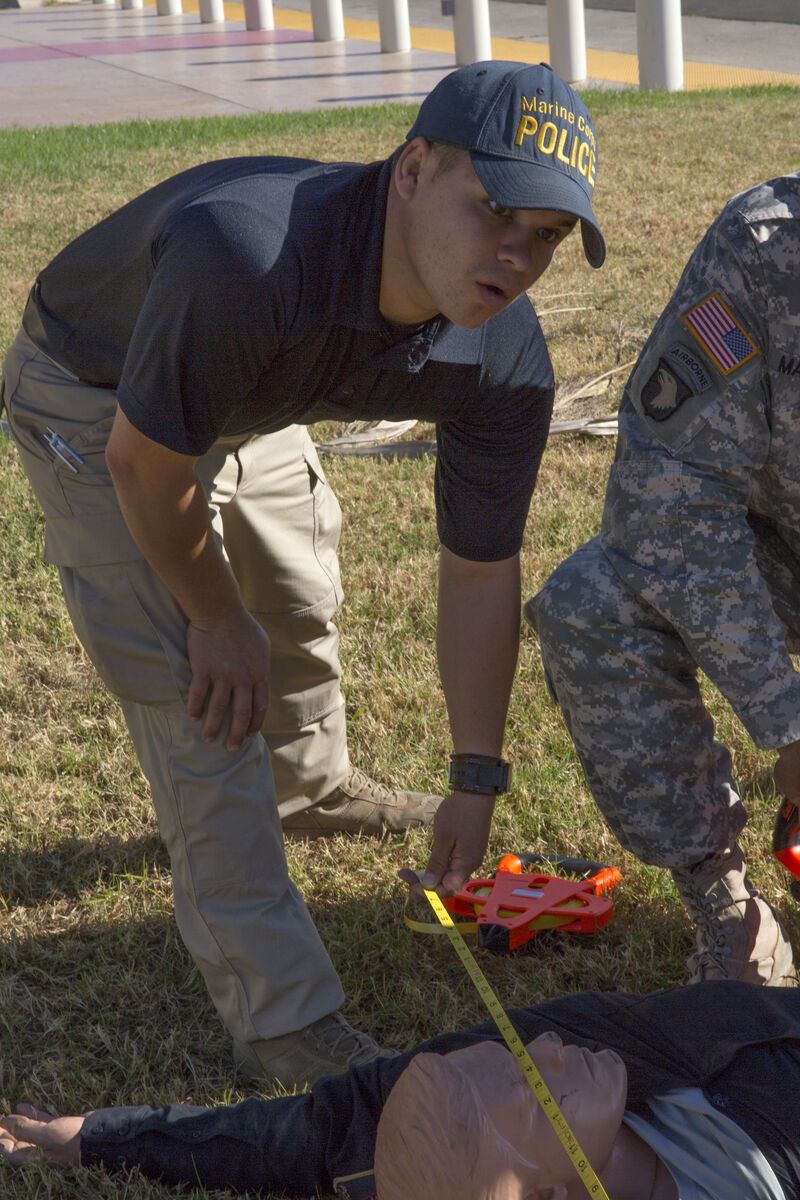
- At-scene crash investigation: the entry course for patrol and traffic officers, covering scene protection, skid mark identification, baseline and triangulation measurement, and report documentation
- Advanced/technical crash investigation: deeper evidence analysis covering tire friction values, damage profiles, lamp examination, and preliminary speed-from-skid calculations
- Traffic crash reconstruction: the analysis tier, covering conservation of momentum, energy methods, crush analysis, pedestrian and motorcycle crash dynamics, and scenario-based method selection
- Specialty modules: event data recorder (EDR) analysis, commercial vehicle crashes, pedestrian/bicycle reconstruction, and forensic mapping technology
Officers usually spread the sequence across two to four years of agency training cycles. The full path from first course through reconstruction certification commonly totals 200 to 320 classroom hours, which is also how candidates accumulate most of the 48 credit hours ACTAR requires for accreditation.
Which accident reconstruction training programs are best?
The three most widely recognized providers are Northwestern University's Center for Public Safety (NUCPS), the Institute for Police Technology and Management (IPTM) at the University of North Florida, and the Texas A&M Engineering Extension Service (TEEX). All three run ACTAR-approved course sequences that take an investigator from at-scene basics through full reconstruction. State police academies and regional programs like the Southern Police Institute also hold approval for specific courses.
Choosing between the major accident reconstruction programs usually comes down to format, location, and how well the course catalog matches your gaps:
- Northwestern NUCPS runs one of the oldest crash investigation sequences in North America. Its Crash Investigation 1 and 2 courses feed directly into its reconstruction course, and the sequence is a de facto standard at many midwestern and large metro agencies.
- IPTM at the University of North Florida offers the most modular catalog: at-scene, advanced, reconstruction, pedestrian, motorcycle, EDR, and human factors courses that can be taken at its Jacksonville campus or hosted regionally by agencies. The modularity makes IPTM a common gap-filler for ACTAR candidates.
- TEEX delivers multi-day intensives across Texas and by agency request, with strong coverage of the math and physics foundations. Verify current ACTAR approval for a specific course at enrollment time.
When comparing syllabi, look for three things: instructor-graded field exercises with staged vehicles (not just lecture), a documented math/physics component, and a scene documentation block that covers current mapping technology. Programs that still teach only tape-and-total-station measurement are training investigators for workflows many agencies have already replaced.
How much does accident reconstruction training cost and how long does it take?
Individual accident reconstruction courses typically cost several hundred to a few thousand dollars in tuition, with 40 to 80 hour courses in the 700 to 2,000 dollar range at the major providers. The full sequence from at-scene investigation through reconstruction usually represents 200 to 320 classroom hours and two to four years of agency training cycles. Travel and per diem often double the real cost of out-of-state courses, which is why hosted and regional deliveries are popular.
Budgeting is usually an agency decision rather than a personal one: most law enforcement students attend on departmental training funds, and grant programs periodically cover crash investigation coursework for smaller agencies. Private-sector students, forensic engineers and consultants, typically sequence courses around casework and treat the tuition as a professional development expense that pays back through expert retention rates.
Two cost-control patterns show up consistently. First, agencies host a course locally and fill seats with regional partners, eliminating travel for a dozen investigators at once. Second, candidates audit their existing hours against ACTAR's requirements before enrolling in anything new, so every tuition dollar buys credit that counts toward accreditation instead of duplicating a topic already covered.
Why is drone mapping now part of collision reconstruction training?
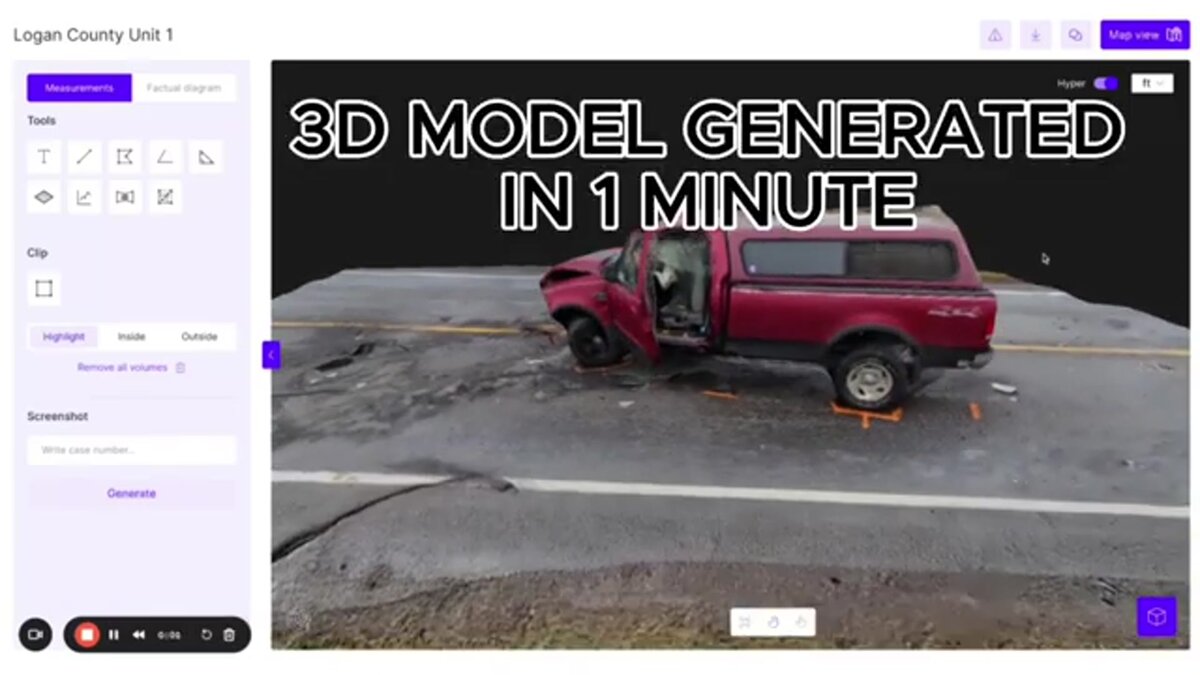
Modern collision reconstruction training includes drone-based scene mapping because it has become the documentation standard at major crash units. Photogrammetry, extracting measurements from overlapping images, and videogrammetry, its video-based successor, let one investigator capture an entire scene in a short flight and produce a measurable 3D model. Reconstructionists trained on these tools clear roadways faster and bring spatial evidence to court that a hand-measured diagram can't match.
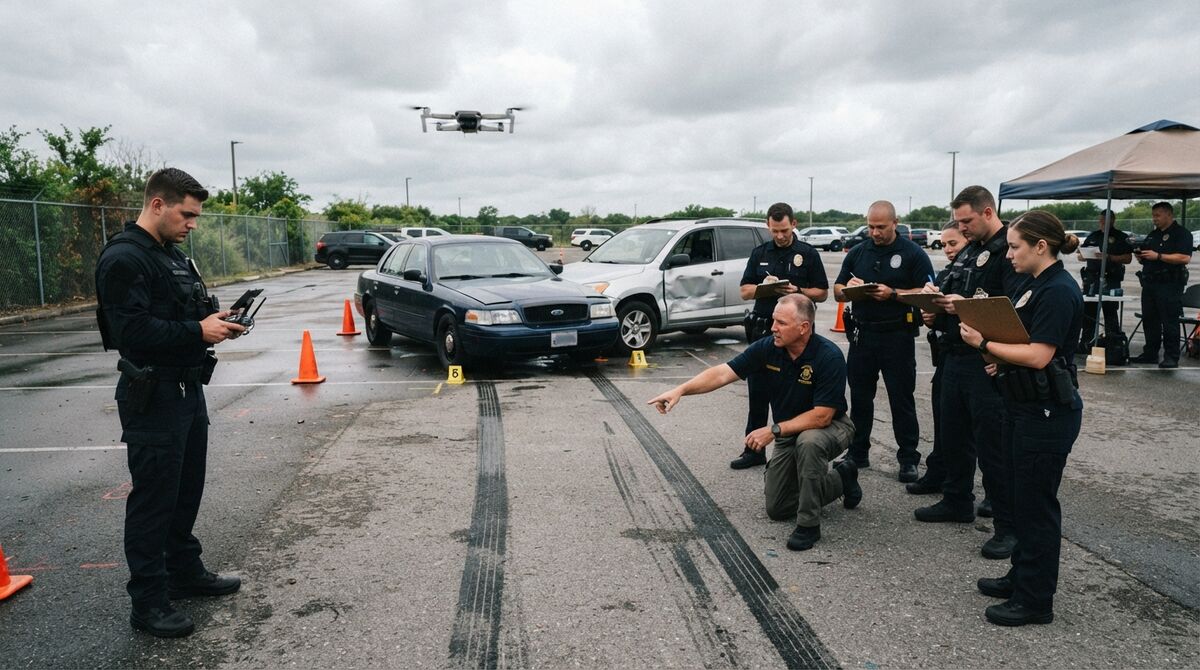
The training implications are practical. A skid mark that gets paved over next week is preserved forever in a georeferenced model, and every measurement a reconstructionist takes in testimony traces back to that model rather than to field notes. Courses increasingly pair the traditional measurement block with a flight-and-processing block: students fly a staged scene, process the model, and pull the same measurements both ways to validate the workflow.
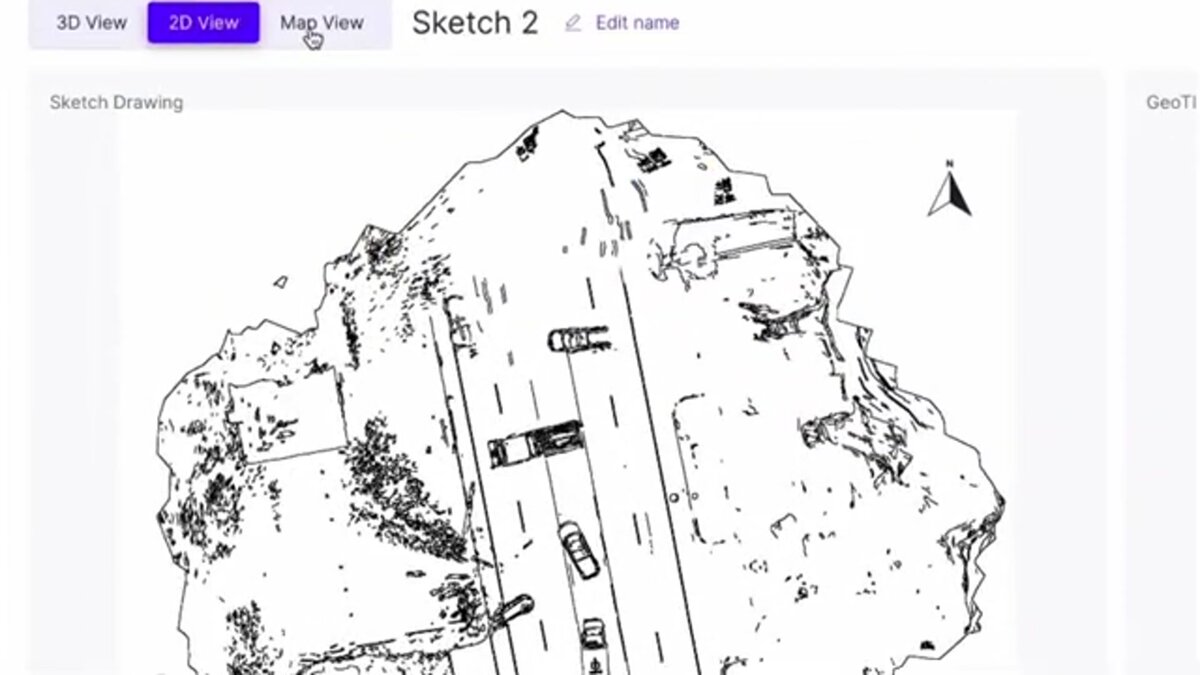
This is also where new investigators can practice without a budget line. SkyeBrowse, the videogrammetry platform used by more than 1,200 public safety agencies, processes an orbit of drone video into a measurable 3D crash scene model in minutes, and its free tier gives trainees unlimited uploads to practice capture technique before their agency ever commits to a purchase. The platform also generates the top-down sketch diagrams that reconstruction courses teach investigators to draw by hand. Students can compare their manual diagram against the auto-generated one from the same scene. For the software landscape beyond training, see our roundup of the best accident reconstruction software and our field guide to crash reconstruction workflows.
FAQ
Do you need accident reconstruction training to become ACTAR accredited?
Yes. ACTAR requires 48 semester credit hours of approved coursework before you can sit for its exam, and formal training courses are how nearly all candidates accumulate them. Field experience alone doesn't qualify. Our ACTAR certification guide maps the requirements, exam format, and a study plan.
Can you take accident reconstruction training online?
Partially. Foundational and refresher topics, such as crash math, human factors, and EDR data analysis, are offered online by IPTM and other providers. The core at-scene and reconstruction courses remain primarily in-person because they depend on staged-vehicle exercises, hands-on measurement, and instructor-graded fieldwork.
What is the difference between accident investigation and accident reconstruction?
Investigation is the documentation phase: securing the scene, photographing evidence, and measuring marks and rest positions. Reconstruction is the analysis phase: applying physics to that evidence to determine speeds, impact configuration, and causation. Training sequences the two in that order, and courts hold reconstruction opinions to a higher methodological standard.
Try SkyeBrowse at your agency. Public safety and government agencies can apply for the Pilot Program, a free trial of about two weeks with full Public Safety & Enterprise access. To plan a purchase, request a quote.