Understanding drone roof inspection cost is essential for roofers, property managers, and insurance adjusters deciding whether to adopt aerial survey workflows. A drone roof inspection — in which an unmanned aerial vehicle (UAV) captures video or imagery of a roof for damage assessment — typically costs $150–$400 per flight, compared to $300–$600 for a traditional inspector climbing the roof. This guide breaks down every cost component: flight fees, processing software, equipment, and deliverable quality, so you can calculate the true drone roof survey cost and return on investment for your operation.
Key Takeaways
- Drone roof inspections cost $150–$400 per flight for a residential property, roughly half the $300–$600 rate for traditional on-roof inspections.
- Adding 3D model processing (videogrammetry) raises per-property cost by $99–$199 but produces a deliverable insurers and contractors can measure directly, reducing re-inspection rates.
- Equipment overhead (drone, software subscription) is the largest upfront cost, but amortizes quickly at 2–4 inspections per week.
- Traditional inspections carry hidden costs — ladder setup, safety harnesses, inspector fall liability — that drone workflows eliminate entirely.
- SkyeBrowse's cloud processing at $99 per Premium model credit means roofers and adjusters can generate court-quality 3D roof models without desktop workstations or specialist training.
Contents
- How much does a drone roof inspection cost?
- What does a traditional roof inspection cost by comparison?
- What equipment and software costs should drone roofers budget for?
- How does processing software affect drone roof survey cost?
- What is the ROI of switching to drone roof inspections?
- FAQ
How much does a drone roof inspection cost?
A drone roof inspection costs $150–$400 for a standard residential property. That price covers the pilot's time (typically 20–45 minutes on-site), equipment depreciation, and a basic photo report. Commercial or multi-building properties range from $400–$1,200 depending on roof area and number of structures. Adding a photogrammetry-processed 3D model or orthomosaic map — the deliverable most useful for insurance claims and contractor estimates — adds $99–$199 in software processing fees.
Pricing varies by market and deliverable type. A solo drone pilot offering basic photo inspections may charge $150–$200 per residential job to compete on volume. Established roofing companies that include a measurable 3D model command $350–$600 per property because the deliverable reduces adjuster callbacks and re-inspection cycles. According to the National Roofing Contractors Association (NRCA), post-storm inspection backlogs are a persistent bottleneck — drone workflows let roofers process more properties per day without adding headcount.
The FAA requires commercial drone pilots operating under Part 107 to pass a knowledge test and carry appropriate insurance. That regulatory overhead is already baked into market rates, so clients are not paying extra for compliance — it is part of the baseline cost.
For a complete breakdown of drone roof workflows, see our drone roof inspection guide.
What does a traditional roof inspection cost by comparison?
A traditional roof inspection costs $300–$600 for a residential property when performed by a licensed roofing contractor or third-party inspector. That range covers labor, travel, report preparation, and the equipment needed to safely access the roof — ladders, harnesses, and non-slip footwear. Steep-slope or high-rise roofs add surcharges of $100–$300 due to elevated fall risk and inspection time.
Traditional inspections carry hidden costs that rarely appear in the quoted rate. For residential properties, a home inspection drone adds the ability to capture chimneys, gutters, and upper siding that standard ladder access misses. Inspector fall liability is a real exposure — the Bureau of Labor Statistics consistently ranks roofing among the top five most hazardous construction trades. Roofing companies self-insure against fall incidents through higher general liability premiums, and those premiums are passed to clients indirectly. Time on-roof also extends when conditions are wet or the slope is steep, pushing labor costs up.
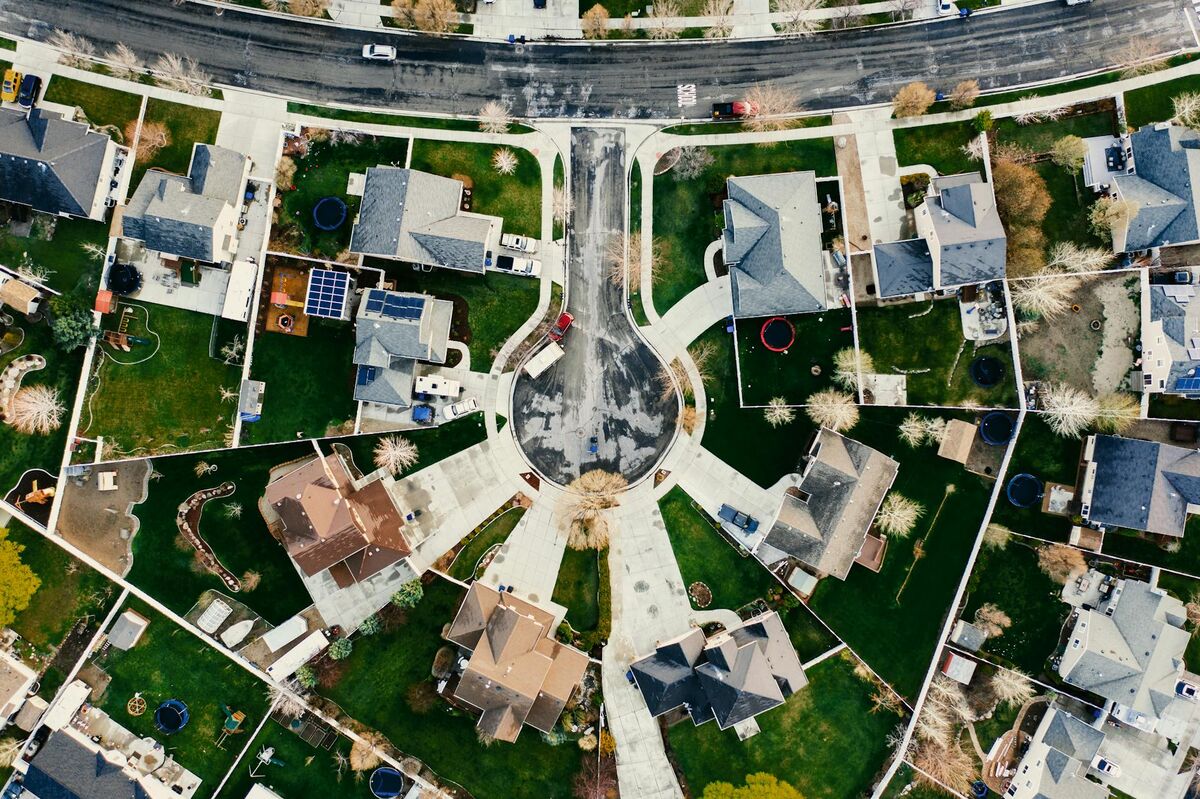
Drone inspections sidestep those safety costs entirely. The inspector stays on the ground while the drone captures the full roof surface in minutes, producing imagery that is often more complete than a manual walk because the camera captures ridge caps, valleys, and flashings from directly above rather than at an angle.
For insurance documentation workflows, see our insurance claims documentation guide.
What equipment and software costs should drone roofers budget for?
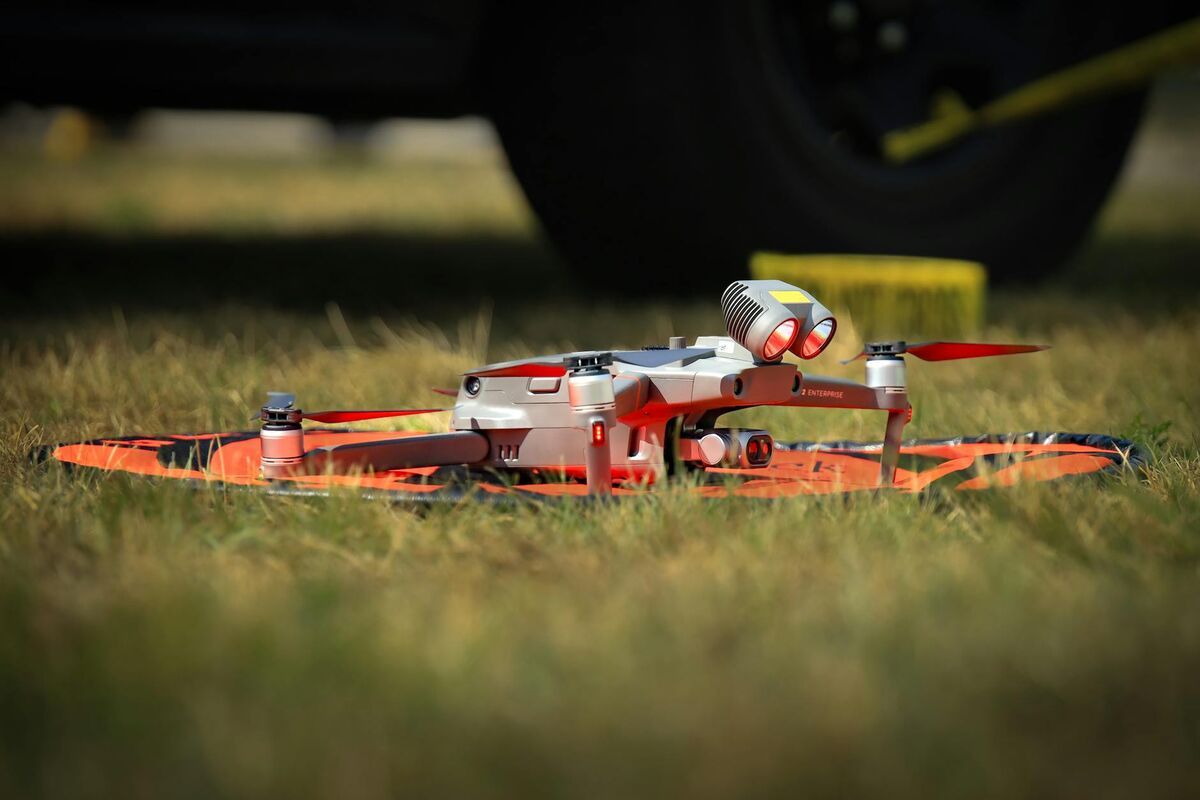
The primary equipment cost is the drone itself. Entry-level inspection drones such as the DJI Mini 4 Pro start at $759, while professional-grade options like the DJI Mavic 3 Enterprise run $2,800–$4,500. Add FAA Part 107 certification ($175 test fee), a basic liability insurance policy ($500–$1,500 per year for commercial drone ops), and a cloud processing software subscription. Total startup overhead for a solo drone inspector ranges from $2,000–$7,000.
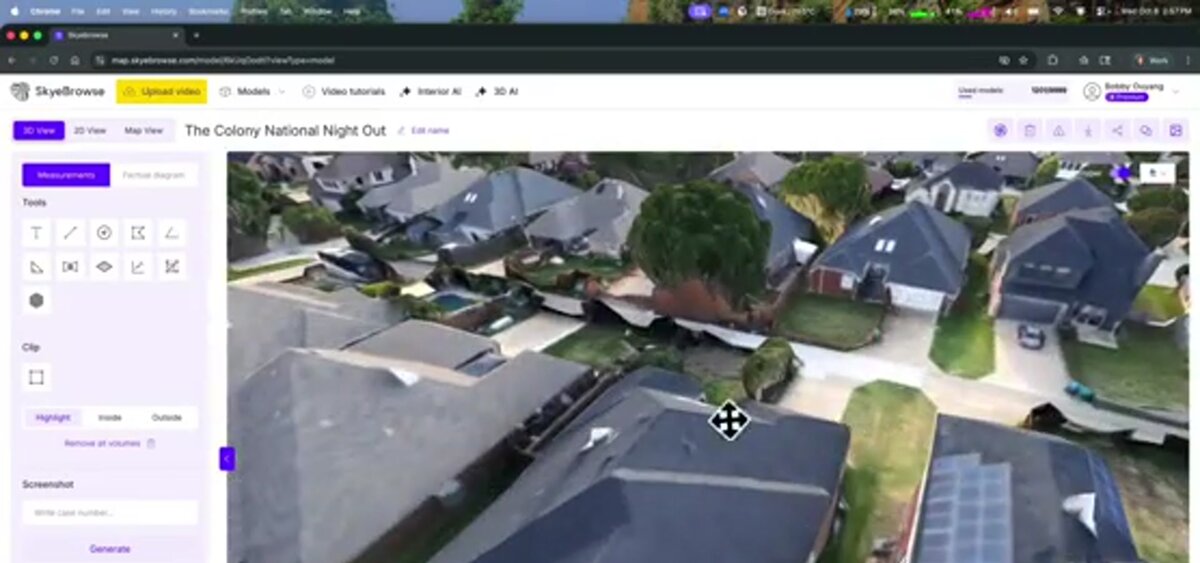
Software is the recurring cost most roofers underestimate. Basic photo delivery requires only cloud storage and a PDF report tool — effectively free. But the deliverable that drives premium pricing is a photogrammetry-processed 3D model or orthomosaic, which requires dedicated processing software.
Subscription-based platforms charge $100–$500 per month for unlimited processing or per-model fees of $99–$199. Pay-per-model pricing is better for operators doing fewer than 10 inspections per month; subscriptions make sense above that threshold. Equipment depreciates over 2–3 years for a drone flown regularly in commercial service, so factor $80–$150 per month in replacement reserve into your pricing.
SkyeBrowse supports a wide range of inspection drones — see the full list of supported drones to verify compatibility before purchasing hardware.
How does processing software affect drone roof survey cost?
Processing software converts raw drone footage or photos into a measurable deliverable — a 3D model, orthomosaic map, or point cloud. The choice of platform determines both cost and output quality. Desktop photogrammetry tools like Agisoft Metashape require a powerful workstation ($2,000–$4,000) and hours of processing time per project. Cloud-based platforms like SkyeBrowse process the same footage in minutes with no local hardware, at $99 per Premium model credit or $199 for Premium Advanced resolution.
Videogrammetry — the technique SkyeBrowse uses — reconstructs 3D geometry from video frames rather than individual photos. This matters for drone roof survey cost because video capture is faster than running a timed photo interval mission: a pilot can fly an improvised orbit around a residential roof in under five minutes and upload the MP4 directly to app.skyebrowse.com without specialized flight planning software.
Output quality tiers affect what you can charge. SkyeBrowse's Lite tier (2–6 inch accuracy) is sufficient for visual damage identification and basic area estimates. Premium tier (0.25 inch at 8K resolution) produces the measurement-grade deliverable that roofing contractors need for material takeoffs and that insurers require for claims above a certain dollar threshold. Premium Advanced (0.1 inch at 16K with AI moving object removal) is overkill for most residential roofs but relevant for large commercial flat roofs where precise slope and drainage measurements matter.
For a broader look at roof assessment workflows, see our roof assessment guide.
What is the ROI of switching to drone roof inspections?
A roofing company processing 10 inspections per week can save $500–$1,500 weekly by switching from traditional to drone inspections, primarily through reduced labor time on-roof and lower fall-related insurance premiums. Property managers running annual condition surveys across a portfolio of 50 or more units find that drone inspections with 3D model output reduce re-inspection rates by 40–60% because the deliverable is detailed enough to answer adjuster follow-up questions without a second site visit.
The ROI calculation has two sides: cost reduction and revenue expansion. On the cost side, drone inspections replace 45–90 minutes of on-roof labor with 5–20 minutes of ground-based drone operation. At a loaded labor rate of $60–$90 per hour, that saves $45–$90 per inspection before accounting for insurance savings. On the revenue side, roofers who offer 3D model deliverables command $100–$200 more per inspection than competitors offering photos only.
Volume amplifies the advantage. A solo operator doing 3 traditional inspections per day maxes out at labor capacity. The same operator flying a drone can complete 6–8 inspections in the same window, doubling throughput without adding headcount. Over a year, that difference compounds into tens of thousands of dollars in additional revenue.
Property managers benefit differently. A single drone survey with an accurate 3D model and orthomosaic supports insurance claims, contractor bid requests, and capital planning simultaneously — replacing three separate vendor engagements. For a complete look at the roofing drone workflow that generates these deliverables, see our roofing drone guide. See our drone services overview for more on multi-use deliverable strategies.
FAQ
How much does a drone roof inspection cost?
A drone roof inspection typically costs $150–$400 for a standard residential flight. That range covers pilot time, equipment depreciation, and a basic report. Adding photogrammetry processing — which produces a measurable 3D model or orthomosaic — raises the total to $250–$600 per property, still well below the $300–$600 cost of a traditional manual inspection that also requires ladder access, safety harnesses, and inspector liability. For pricing on specific deliverable tiers, see SkyeBrowse's pricing page.
What is included in a drone roof inspection report?
A standard drone roof inspection report includes annotated high-resolution imagery, a damage summary, and GPS-tagged defect locations. Premium reports add a photogrammetry-derived 3D model or orthomosaic map that insurers and contractors can measure directly, reducing re-inspection rates and dispute resolution time. SkyeBrowse exports in GLB (3D mesh), GeoTIFF (orthomosaic), and LAZ (point cloud) formats, making the deliverable compatible with most contractor estimating and insurance claim platforms.
How does drone roof inspection cost compare to traditional inspection?
Traditional roof inspections cost $300–$600 and require an inspector to physically access the roof, adding time, liability, and safety risk. Drone inspections cost $150–$400 for the flight and capture safer, higher-resolution data in a fraction of the time. For property managers with multiple units or roofers processing high claim volumes, drone inspections with 3D model output can reduce total inspection cost per property by 30–50%. Request a custom quote at skyebrowse.com/quote.