Crime scene investigation demands documentation tools that patrol officers and detectives can deploy immediately without forensic specialist support. Evidence degrades, scenes must be released promptly, and prosecution timelines require comprehensive documentation captured during initial response. Choosing the right crime scene mapping software and capture hardware determines whether investigations proceed with complete spatial records or rely on fragmented photos and sketches that defense attorneys challenge.
Traditional crime scene documentation requires specialist teams, consuming 3-4 hours for comprehensive scene processing by 4-6 personnel. Video-based workflows compress this to 15-20 minutes by single-officer smartphone or drone capture, reducing scene occupation time by 80% and freeing officers for active patrol rather than extended documentation duties.
Contents
- What equipment makes up a crime scene documentation portfolio?
- How does crime scene mapping software improve evidence quality?
- Which deployment model fits your agency?
- What ROI does video-based scene documentation deliver?
- Get a SkyeBrowse quote
What Equipment Makes Up a Crime Scene Documentation Portfolio?
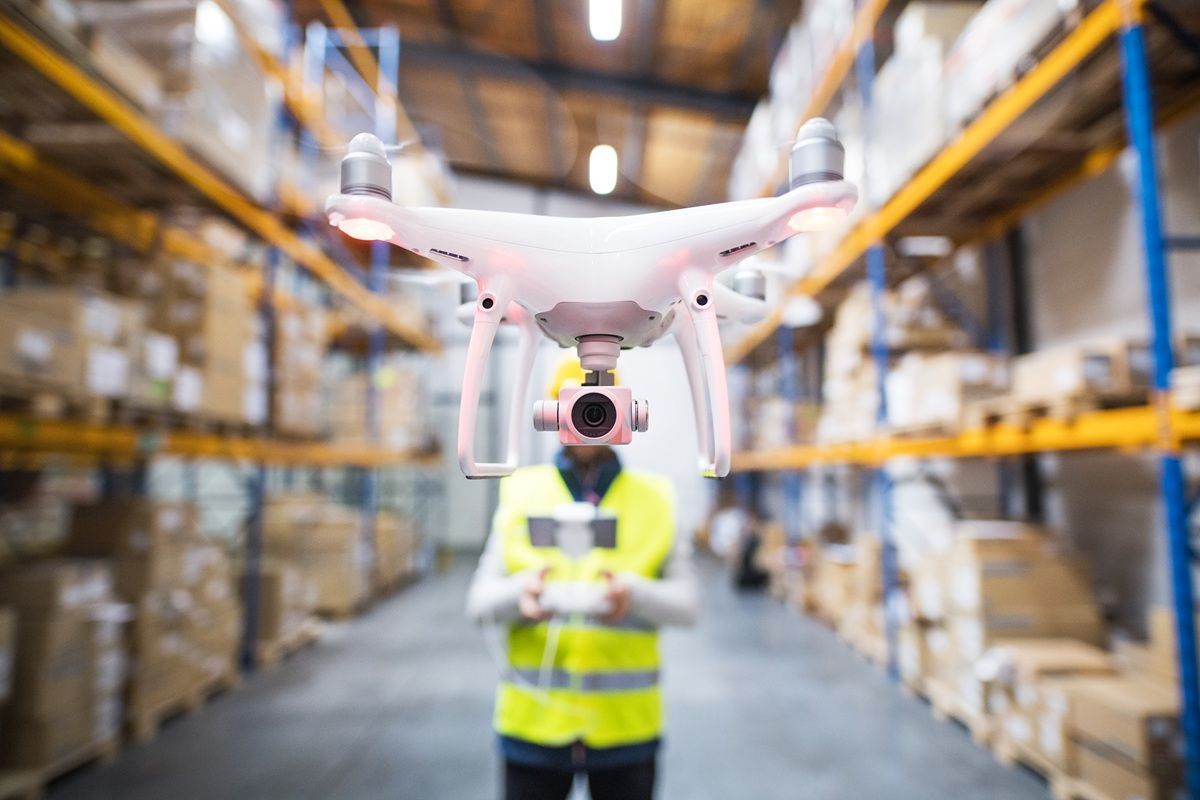
Primary capture devices: Smartphones (agency-issued or personal) serve as universal documentation tools—4K video for 3D modeling, high-resolution photos for evidence close-ups, immediate cloud upload capability. Drones (DJI Mini series) extend coverage to outdoor scenes, providing overhead perspectives traditional photography misses. 360° cameras (Insta360 X3) capture comprehensive interior spaces efficiently—single device position documents entire rooms reducing capture time.
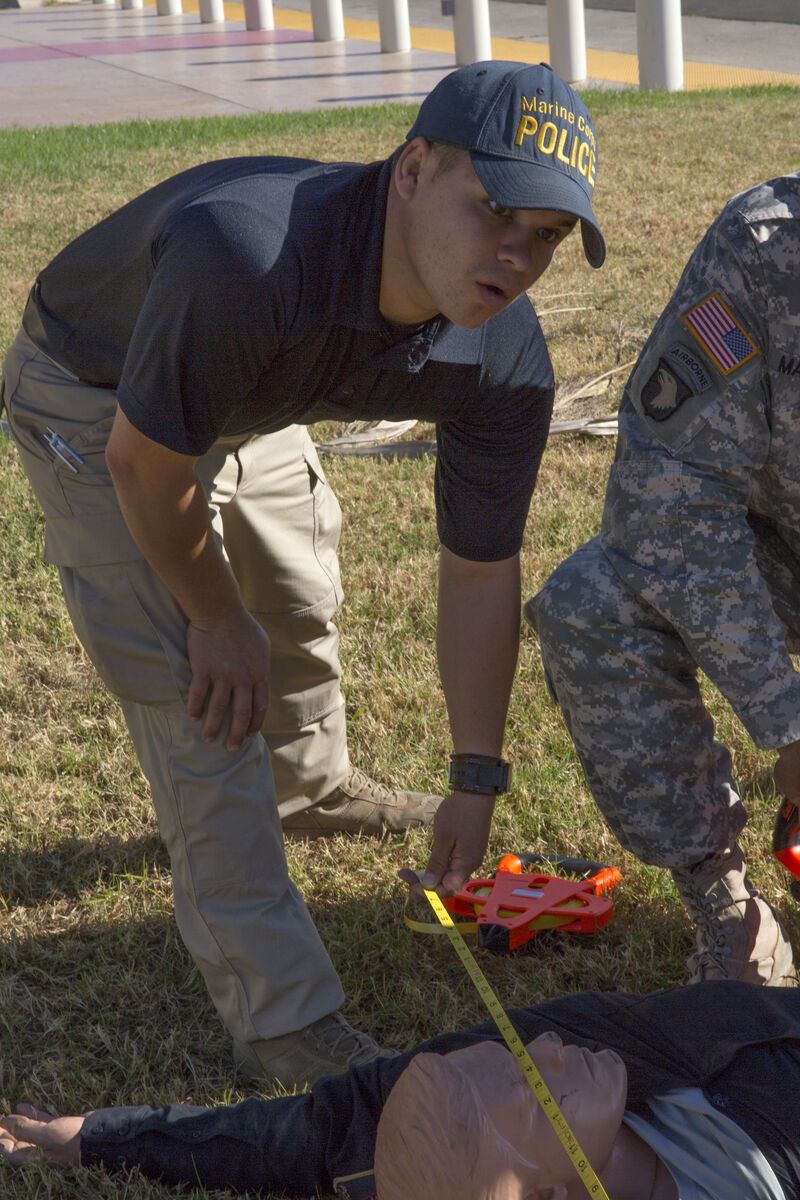
Supplemental equipment: LED work lights address low-light scenes—portable panels illuminate evidence without harsh shadows traditional flash creates. Measurement scales (folding rulers, laser distance meters) provide reference dimensions for verification checks. Evidence markers (numbered tents, adhesive labels) establish spatial relationships appearing in documentation. Tablet computers enable field review—investigators verify capture completeness before scene release.
Equipment selection criteria:
Reliability under field conditions: Crime scenes occur in all weather, lighting, and environmental conditions. Equipment must function in rain, extreme temperatures, and low-light environments without failure.
Operational simplicity: Patrol officers deploying to scenes may lack forensic training. Equipment requiring minimal instruction increases adoption—if operation complexity exceeds "record video and upload," deployment suffers.
Evidentiary defensibility: Documentation becomes courtroom evidence years after capture. Equipment must produce outputs meeting authentication standards—verifiable timestamps, unaltered file formats, clear chain of custody.
Cost scalability: Agencies outfit multiple units—patrol vehicles, detective bureaus, specialty teams. Per-unit costs determine fleet deployment feasibility. $5,000 laser scanners remain specialist tools; $500 smartphones become universal equipment.
Deployment models:
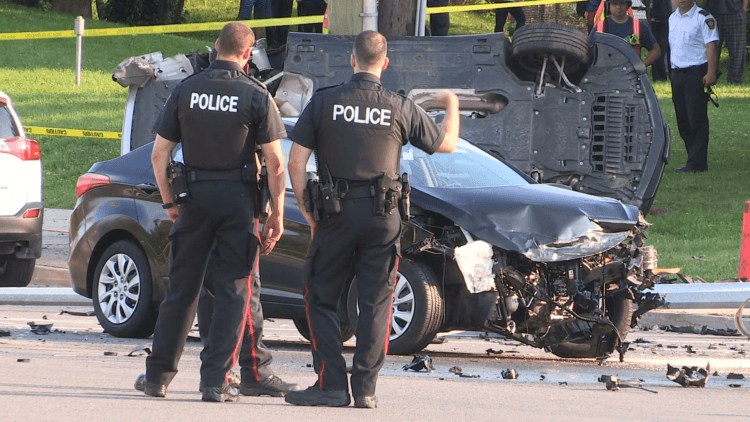
Patrol-based: Equip patrol officers with smartphones and compact drones. First responders document scenes immediately—vehicular collisions, outdoor crime scenes, death investigations. Documentation completes before specialty units arrive, preventing evidence loss and accelerating scene release.
Detective bureau: Detectives handling follow-up investigations deploy 360° cameras for indoor scene documentation—burglaries, assaults, death scenes. Equipment remains in detective vehicles, deploying to investigations requiring comprehensive spatial records.
Forensic specialists: Technical services or crime scene units maintain premium equipment—high-resolution cameras, supplemental lighting, laser scanners for complex scenes. Specialist deployment handles homicides, officer-involved shootings, and cases requiring courtroom-grade documentation precision.
Processing workflow: Regardless of capture device, workflow consistency matters. Officers capture video documentation, transfer to secure computers, upload through agency SkyeBrowse accounts, and download processed models into case files. Training emphasizes this consistent workflow rather than device-specific procedures—personnel transition between equipment types seamlessly.
How Does Crime Scene Mapping Software Improve Evidence Quality?
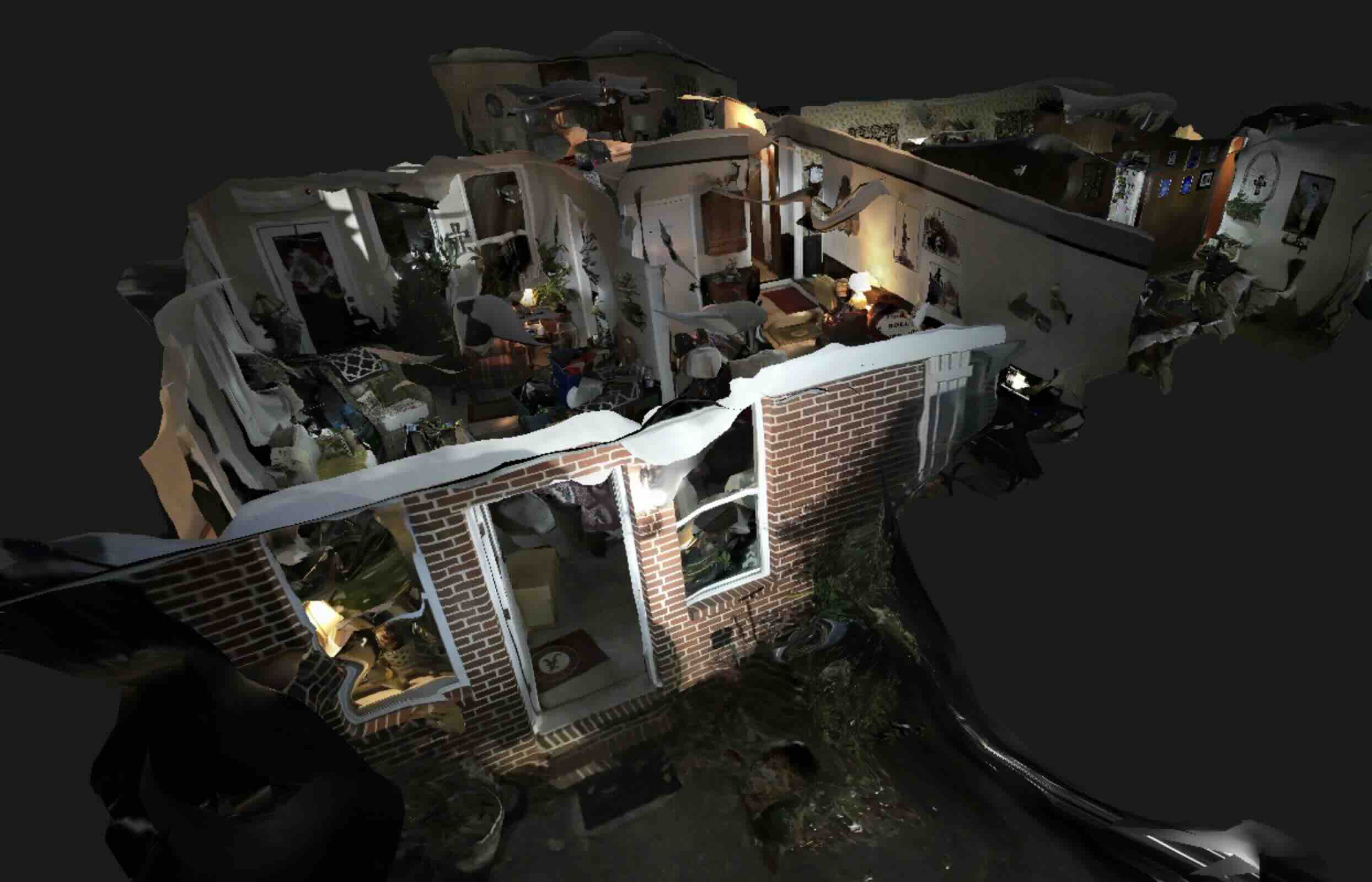
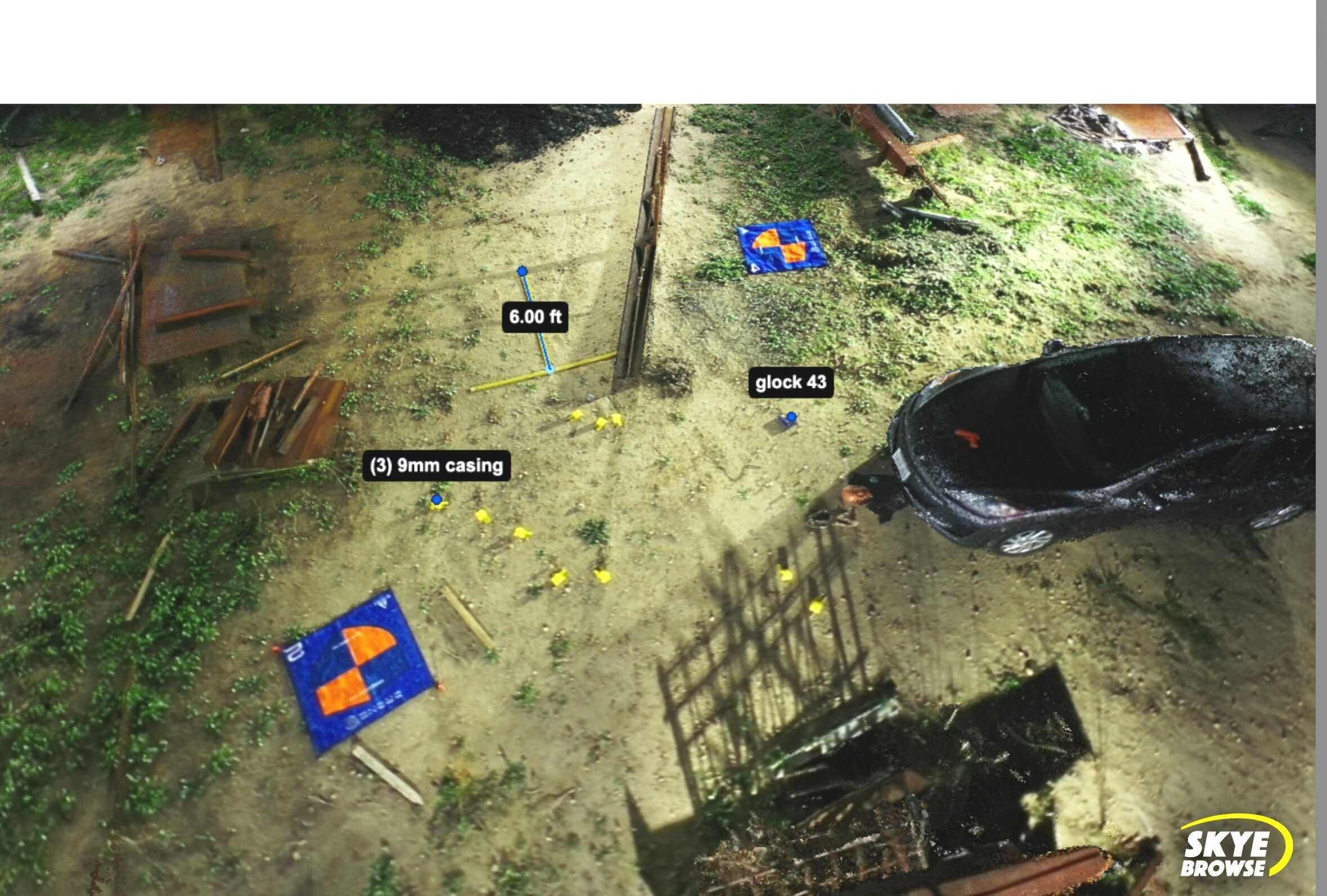
Crime scene mapping software like SkyeBrowse processes smartphone and drone video into measurement-ready 3D models that prosecutors present as courtroom exhibits. Traditional photo-and-sketch documentation leaves spatial gaps that defense attorneys exploit: distances between evidence items become disputed estimates, room dimensions vary between witnesses, and scene context deteriorates as memory fades.
Video-to-3D processing preserves the complete spatial record. Investigators upload capture video, and the crime scene 3D mapping software returns navigable 3D models with measurement tools accurate to 0.5 inch on Commercial and Pro models, or 0.1 inch on Public Safety & Enterprise. Detectives, prosecutors, and expert witnesses access the same interactive model, which eliminates conflicting scene descriptions and gives jurors spatial understanding that flat photographs cannot match.
What ROI Does Video-Based Scene Documentation Deliver?
Traditional comprehensive crime scene documentation requires 3-4 hours on-scene with 4-6 personnel (investigators, forensic technicians, supervisors, photographers) at total cost of approximately $360-$500 per scene. Video-based documentation workflows compress scene capture to 15-20 minutes with single officer using smartphone or drone.
Scene release accelerates dramatically—roadways reopen faster, weather exposure reduces, evidence degradation risks decrease. For agencies processing 200 annual scenes requiring comprehensive documentation, efficiency improvements save approximately 600-700 personnel hours annually, valued at $18K-$28K (at $30-$40/hour loaded officer rates). This capacity reallocates to active patrol, follow-up investigations, or overtime reduction initiatives.
Get a SkyeBrowse Quote
Crime scene documentation demands equipment portfolios balancing immediate availability, operational simplicity, and evidentiary defensibility without requiring specialist team deployment for routine investigations. Whether your agency needs patrol-officer smartphone systems for vehicular collisions and property crimes, detective-deployed 360° cameras for comprehensive interior documentation, or forensic specialist tools for major case investigations, SkyeBrowse provides processing tiers (Freemium, Commercial, Pro, and Public Safety & Enterprise) and CJIS-compliant workflows supporting evidence requirements from initial response through courtroom presentation.
Agencies shift scene documentation from 3-4 hour specialist deployments requiring 4-6 personnel to 15-20 minute single-officer captures—reducing scene occupation time by 80% while improving documentation completeness. This efficiency multiplies across investigation portfolios—a department processing 200 annual scenes saves approximately 600-700 personnel hours, reallocating that capacity to active patrol, follow-up investigations, or overtime reduction initiatives valued at $18K-$28K annually (at $30-$40/hour loaded labor rates).
Try SkyeBrowse at your agency. Public safety and government agencies can apply for the Pilot Program, a free trial of about two weeks with full Public Safety & Enterprise access. To plan a purchase, request a quote.